

How to Identify Authentic Fine Art Sculptures in Today’s Market
Understanding the Value of Authentic Fine Art Sculptures

When you stand before a striking sculpture, there’s a profound sense of history, creativity, and craftsmanship that radiates from its form. In today’s art market, where contemporary and artistic sculptures are both celebrated and commodified, distinguishing authentic fine art sculptures from imitations or mass-produced pieces is essential. Whether you collect for personal fulfillment, investment, or to enrich your environment, the ability to recognize authenticity ensures your collection holds both cultural and financial value.
The desire for genuine art is stronger than ever, as collectors and enthusiasts seek meaningful connections with the works they acquire. With renowned names like Salvatore Zagami sculptures setting benchmarks for quality and originality, understanding the nuances of art authentication becomes a crucial skill. As the art world evolves—embracing new materials, innovative techniques, and emerging artists—your ability to discern authenticity protects your investment and deepens your appreciation for the art itself.
Why Authenticity Matters in Artistic Sculptures

Authentic fine art sculptures are more than decorative objects; they are embodiments of the artist’s vision, expertise, and cultural significance. The authenticity of a sculpture can significantly impact its value, provenance, and the emotional resonance it offers you as a collector. Genuine works, especially those from respected artists, carry a legacy that enriches your collection and tells a story that endures across generations.
In a market saturated with replicas, unauthorized casts, and digitally fabricated objects, the risk of inadvertently acquiring inauthentic pieces is real. This is particularly true for collectors who appreciate the unique qualities of contemporary and conceptual sculpture. Ensuring authenticity not only preserves the integrity of your collection but also supports the artists and studios whose dedication to craftsmanship shapes the future of fine art.
Key Elements of Art Authentication for Sculptures
Art authentication is a multi-faceted process that combines historical research, technical analysis, and expert evaluation. When considering the authenticity of a sculpture, you should examine several crucial elements:
- Provenance: The documented history of ownership, exhibitions, and sales provides a transparent lineage for the piece. Provenance can often be traced through gallery records, auction catalogs, and archival documentation.
- Artist Signatures and Marks: Many fine art sculptures, including those in the tradition of Salvatore Zagami sculptures, feature unique signatures, monograms, or foundry marks. These identifiers are critical in verifying the creator and the period of creation.
- Materials and Techniques: Authentic sculptures are crafted using materials and methods consistent with the artist’s known practices. For instance, a genuine work from a contemporary sculptor may reveal distinctive choices in stone, metal, or mixed media, as well as unique surface treatments or assembly methods.
- Documentation and Certificates: Reputable artists and galleries provide certificates of authenticity, detailed descriptions, and photographic records. These documents add an extra layer of assurance, especially when acquiring high-value or collectible sculptures.
Each of these elements contributes to a comprehensive picture of authenticity, giving you the confidence to invest in works that truly reflect the artist’s intent and craftsmanship.
Spotting Authentic Salvatore Zagami Sculptures and Other Fine Art Pieces

When evaluating a sculpture attributed to a renowned artist, you should approach the process with both curiosity and diligence. Salvatore Zagami sculptures, for example, are celebrated for their conceptual depth, technical mastery, and integration of historical references. Identifying authentic works from such artists involves a careful examination of the following:
- Stylistic Consistency: Compare the sculpture’s style, scale, and subject matter with documented pieces from the artist’s career. Authentic works often display a recognizable evolution or thematic consistency that aligns with the artist’s oeuvre.
- Material Integrity: Genuine fine art sculptures exhibit a high standard of craftsmanship, with attention to detail in surface finish, structural stability, and material selection. Look for evidence of hand-finishing, unique patinas, or custom fabrication techniques.
- Expert Opinions: Seek assessments from established art historians, curators, or galleries specializing in the artist’s work. Their expertise and familiarity with artistic sculptures in the same tradition can reveal subtle indicators of authenticity or forgery.
- Comparative Analysis: Review published catalogs, exhibition records, and digital archives to compare your piece with verified examples. Noting similarities and differences helps establish the sculpture’s place within the artist’s body of work.
By combining these investigative steps, you empower yourself to make informed decisions and build a collection that reflects both your aesthetic values and your commitment to authenticity.
The Role of Technology in Art Authentication
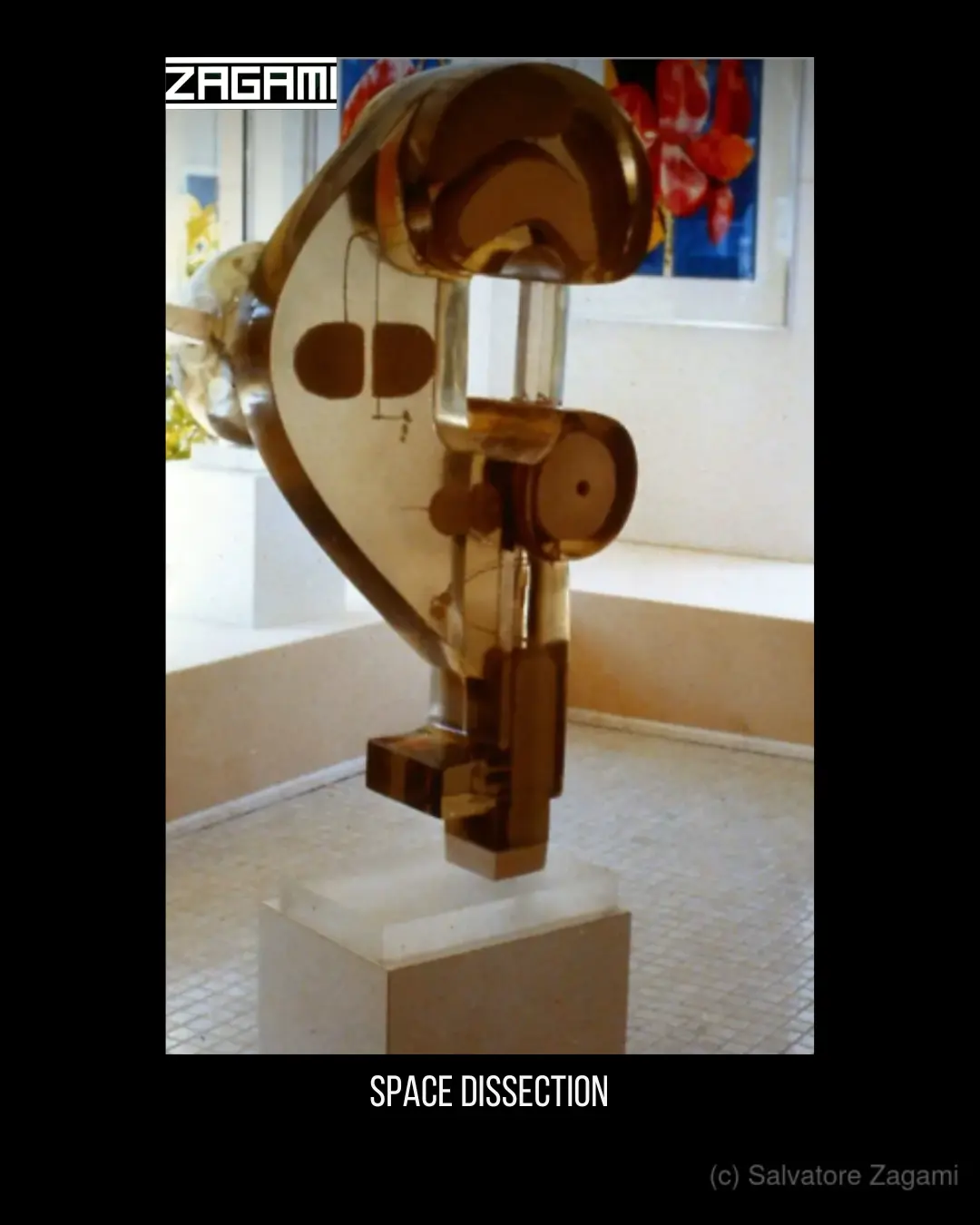
Advancements in technology have transformed the field of art authentication, offering new tools to validate the origin and authorship of fine art sculptures. Today, you can benefit from scientific techniques that provide objective data to support traditional connoisseurship:
- Material Analysis: Techniques such as X-ray fluorescence (XRF), infrared spectroscopy, and microscopy allow experts to determine the composition and age of materials. This can reveal whether a sculpture’s components are consistent with the period and artist’s known practices.
- 3D Scanning and Imaging: High-resolution scanning captures minute details of surface texture, tool marks, and construction methods. These digital records can be compared with authenticated works to identify unique characteristics or signs of reproduction.
- Blockchain and Digital Documentation: Some contemporary artists and galleries now use blockchain technology to create immutable records of provenance, ownership, and authenticity. This digital approach offers increased transparency and security for your investment in collectible sculptures.
While technology enhances the accuracy of authentication, it is most effective when combined with the expertise of art professionals who understand the nuances of artistic creation and historical context. By leveraging both scientific and human insight, you ensure the sculptures you acquire are both genuine and meaningful.
Red Flags: How to Avoid Inauthentic Art Sculptures
The contemporary art market is dynamic, but it is not immune to the challenges of forgery and misattribution. As you seek to expand your collection of fine art sculptures, being aware of common warning signs can help you avoid costly mistakes:
- Lack of Provenance: Be cautious if the seller cannot provide a documented history for the sculpture. Gaps or inconsistencies in provenance are often a sign of questionable authenticity.
- Unusual Pricing: Prices significantly below market value may indicate a reproduction or unauthorized copy. Authentic artistic sculptures, especially those by established artists, command appropriate prices based on rarity, condition, and provenance.
- Poor Craftsmanship: Examine the quality of materials, assembly, and finishing. Inauthentic works often display shortcuts in construction or superficial imitations of the artist’s style.
- Unverified Signatures or Marks: Forgers may attempt to replicate signatures or foundry stamps. Always cross-reference these markings with trusted databases or consult with experts who specialize in art authentication.
Staying vigilant to these red flags not only protects your investment but also upholds the integrity of your collection and the broader art community.
Building Relationships with Trusted Art Sources
Your journey in collecting fine art sculptures is enriched by the connections you establish with reputable galleries, studios, and experts. Trusted sources play a pivotal role in guiding you toward authentic works and providing ongoing support for your collection. When you engage with established art spaces—whether physical galleries or online platforms—you gain access to:
- Expert Guidance: Knowledgeable staff and curators can answer your questions about provenance, materials, and artist background, ensuring you make informed acquisition decisions.
- Documented Authenticity: Reputable galleries provide certificates of authenticity and detailed documentation for each sculpture, giving you peace of mind and a clear record for future reference.
- Opportunities for Education: Many art spaces offer workshops, lectures, and exhibitions that deepen your understanding of artistic techniques, historical context, and the evolving landscape of sculpture art pieces.
- Networking with Collectors and Artists: By participating in gallery events and art communities, you connect with fellow collectors, artists, and industry professionals who share your passion for authentic, high-quality art.
These relationships not only facilitate the acquisition of genuine sculptures but also immerse you in the vibrant world of contemporary and collectible art.
The Emotional and Investment Value of Authentic Sculptures
Owning authentic fine art sculptures is a deeply rewarding experience, offering both emotional fulfillment and long-term investment potential. When you acquire genuine artistic sculptures, you become part of a legacy that transcends trends and market fluctuations. Authentic works possess a unique aura, forged through the artist’s dedication, vision, and mastery of materials.
For collectors who value exclusivity and craftsmanship, the assurance of authenticity elevates the significance of each acquisition. Whether you display your sculptures in a private residence, corporate space, or public setting, their presence communicates sophistication, cultural awareness, and a commitment to supporting the arts. Over time, the stories embedded within each piece enrich your personal narrative and contribute to the ongoing dialogue between art, history, and society.
Establishing Provenance for Fine Art Sculptures
When you seek to acquire artistic sculptures, one of the most reliable indicators of authenticity is a well-documented provenance. Provenance is the chronological history of ownership, exhibition, and publication of an artwork. For fine art sculptures, especially those attributed to celebrated artists, this documentation provides critical assurance of legitimacy and adds significant value to your collection.
To establish provenance, request supporting documents such as gallery invoices, auction house records, exhibition catalogs, and previous sales receipts. These records should clearly reference the sculpture, include high-quality images, and detail any restoration or conservation efforts. If the sculpture has featured in notable exhibitions or has been reviewed in art publications, these references further strengthen its historical record.
In the contemporary market, some galleries and artists utilize digital provenance solutions, including blockchain-based certificates, to ensure a secure and transparent record. When evaluating Salvatore Zagami sculptures or other collectible works, ensure that the provenance is verifiable and consistent, as gaps or inconsistencies can raise concerns regarding authenticity.
Evaluating Artistic Sculptures: The Importance of Condition and Restoration
The physical condition of a sculpture plays a crucial role in both its authenticity and value. Authentic fine art sculptures may show evidence of age, such as natural patina, subtle surface wear, or historical repairs. These elements, when properly documented, can enhance the sculpture’s character and provenance.
However, excessive restoration or alterations can sometimes obscure original features, making art authentication more challenging. When examining a piece, look for detailed restoration reports that outline any interventions and ensure they were performed by qualified conservators. Authentic sculptures, particularly those from renowned artists or periods, benefit from expert care that preserves their integrity without compromising their original intent.
Condition reports from reputable galleries or third-party conservators can provide peace of mind, offering a transparent overview of the sculpture’s history and current state. This information is especially valuable when assessing high-value or historic pieces, where even minor changes can impact authenticity and market value.
Expert Authentication: The Role of Specialists in the Art Market
While your eye for detail and research skills are invaluable, there are circumstances where professional expertise becomes essential in the authentication process. Art authentication specialists combine academic knowledge, technical analysis, and industry experience to assess the legitimacy of fine art sculptures.
Engaging with recognized experts—such as independent art historians, accredited appraisers, or institutions specializing in sculpture—can provide a formal evaluation and written authentication. These specialists may use scientific tools, comparative analysis, and access to proprietary archives to identify unique traits or potential red flags.
When considering sculptures attributed to prominent artists, third-party authentication adds an extra layer of confidence. Many collectors and galleries require such documentation before finalizing significant acquisitions, ensuring the integrity and value of their holdings.
Understanding the Impact of Materials and Techniques on Authenticity
The materials and construction techniques used in fine art sculptures often serve as vital clues to authenticity. Renowned artists are known for their mastery of specific mediums—be it marble, bronze, stone, or contemporary mixed media. Each material bears distinct characteristics that, when properly examined, can reveal much about a sculpture’s origin and period.
For instance, Salvatore Zagami sculptures are recognized for their innovative use of materials and conceptual approach. By studying the choice of stone, metal alloys, or surface treatments, you can identify whether the work aligns with the artist’s established methods. Authentic pieces frequently display evidence of handwork, such as tool marks, unique patinas, or subtle imperfections that distinguish them from mass-produced copies.
In addition, the presence of foundry marks or studio stamps can further validate the sculpture’s origin. These identifiers are often referenced in catalogues raisonnés or artist monographs, serving as benchmarks for comparison with other authenticated works.
Recognizing the Hallmarks of Contemporary and Conceptual Sculpture
The landscape of fine art sculpture has expanded dramatically, encompassing not only classical forms but also contemporary and conceptual expressions. As a collector, understanding the hallmarks of these modern works is essential for accurate authentication and appreciation.
Contemporary artistic sculptures often challenge traditional boundaries, incorporating unconventional materials, interactive elements, or site-specific installations. To assess authenticity, examine the artist’s intent, documented processes, and the context in which the work was created. Authentic contemporary pieces are typically accompanied by artist statements, process photographs, or digital documentation that provide insight into their creation.
When encountering conceptual sculptures, pay close attention to the narrative and theoretical framework underpinning the work. Authentic pieces will resonate with the artist’s broader practice and be supported by exhibition history, critical reviews, and scholarly analysis. Engaging with galleries or curators who specialize in contemporary art can further guide your evaluation and enhance your collecting experience.
Leveraging Digital Platforms for Art Authentication
Digital innovation has reshaped the way you interact with the art market, offering unprecedented access to information and authentication resources. Online databases, catalogues raisonnés, and virtual archives allow you to research and compare sculptures from anywhere in the world.
When considering a new acquisition, utilize these digital tools to verify artist signatures, study high-resolution images, and cross-reference provenance details. Many reputable galleries now provide virtual tours, detailed condition reports, and digital certificates of authenticity, enabling you to make informed decisions remotely.
Additionally, blockchain technology is gaining traction as a secure method for documenting ownership and provenance. By recording each transaction and change of hands in a decentralized ledger, blockchain ensures transparency and reduces the risk of forgery or misattribution. As you navigate the online art world, prioritize platforms and sellers that embrace these innovative solutions to safeguard your investment.
Participating in Art Fairs and Gallery Openings: Firsthand Experience Matters
While digital resources are invaluable, nothing compares to the firsthand experience of viewing fine art sculptures in person. Art fairs, gallery openings, and museum exhibitions offer unique opportunities to examine works closely, engage with experts, and build relationships within the art community.
By attending these events, you can observe the quality of materials, craftsmanship, and presentation—key indicators of authenticity. Engaging with curators, artists, and fellow collectors provides additional perspectives and insights that enrich your understanding of the market.
Many galleries host talks or workshops on art authentication, offering practical tips and case studies that deepen your expertise. These in-person experiences not only strengthen your knowledge but also foster connections that can lead to future acquisitions of authentic artistic sculptures.
Supporting Emerging Artists and Sustainable Practices in Sculpture
The pursuit of authentic fine art sculptures extends beyond established names to include emerging artists who bring fresh perspectives and innovative techniques to the field. Supporting these creators not only diversifies your collection but also contributes to the evolution of contemporary sculpture.
When acquiring works from new artists, focus on transparency, documentation, and direct engagement. Many emerging sculptors provide detailed process notes, studio visits, and digital portfolios that offer insight into their practice. These resources, combined with certificates of authenticity and provenance records, ensure your investment is both meaningful and secure.
Sustainability is also an increasingly important consideration in the art world. Many contemporary sculptors embrace environmentally conscious materials and ethical production methods. By prioritizing works that reflect these values, you align your collection with broader cultural and ecological goals, reinforcing the integrity of your acquisitions.
Documenting and Caring for Your Sculpture Collection
Proper documentation and care are essential for maintaining the authenticity and value of your fine art sculptures. Create a comprehensive inventory that includes high-quality photographs, detailed descriptions, provenance records, and any certificates or appraisals. This archive not only supports future authentication efforts but also streamlines insurance and estate planning.
Regular maintenance, including cleaning and environmental monitoring, preserves the condition of your sculptures and prevents deterioration. Consult with professional conservators for guidance on storage, display, and handling, particularly for works made from sensitive or mixed materials.
Should you decide to loan or exhibit your sculptures, provide complete documentation and collaborate with trusted institutions to ensure proper care and security. This proactive approach safeguards your investment and enhances the long-term legacy of your collection.
Engaging with the Broader Art Community
Your journey as a collector of authentic fine art sculptures is enriched by active participation in the wider art community. Join local and international art societies, attend lectures, and contribute to publications or online forums dedicated to sculpture and art authentication.
Engagement with art historians, curators, and fellow collectors fosters ongoing learning and keeps you informed about market trends, new discoveries, and advances in authentication techniques. By sharing your experiences and insights, you contribute to a culture of transparency and appreciation that benefits the entire art ecosystem.
Whether you are drawn to the enduring allure of classical forms or the dynamic energy of contemporary sculpture, your commitment to authenticity and informed collecting ensures that each piece in your collection resonates with history, creativity, and lasting value.
Integrating Art Authentication into Your Collecting Practice
As you continue to explore the world of fine art sculptures, making art authentication a routine part of your process ensures every acquisition stands as a testament to your discernment and commitment to quality. Whether you are drawn to the expressive forms of contemporary artistic sculptures or the enduring appeal of classic works, adopting a methodical approach to authentication will enrich your collecting journey.
Before making a purchase, take time to review all available documentation, including provenance, condition reports, and certificates of authenticity. When possible, engage with trusted galleries or studios that have a reputation for transparency and ethical practices. Ask questions about the artist’s background, the materials used, and the story behind each piece. This level of engagement not only safeguards your investment but also deepens your appreciation for the artistic process.
Consider keeping a personal archive of acquisition notes, photographs, and correspondence related to each sculpture. This living record will serve as a valuable resource for future research, insurance, and potential resale, while also contributing to the broader history of the artwork itself.
Connecting with Experts for Art Authentication
Navigating the complexities of art authentication can be challenging, especially as the market for fine art sculptures grows more sophisticated. Building relationships with specialists—such as art historians, conservators, and gallery professionals—provides you with access to a wealth of knowledge and experience. These experts can help you identify the nuanced characteristics that define authentic Salvatore Zagami sculptures and other notable works, offering insights that go beyond surface appearances.
When considering a significant acquisition, don’t hesitate to request a formal authentication or appraisal from a recognized authority. Many respected galleries collaborate with independent experts to verify the legitimacy of their offerings, ensuring that you can proceed with confidence. This collaborative approach not only protects your interests but also fosters a culture of integrity within the art community.
- Seek out galleries with a history of supporting emerging and established artists.
- Attend workshops and educational programs focused on art authentication and collecting best practices.
- Engage with peer networks, both locally and online, to share experiences and insights about the evolving market.
By actively participating in these networks, you position yourself at the forefront of the contemporary sculpture scene, always informed and empowered to make discerning choices.
Exploring the Stories Behind Artistic Sculptures
Every authentic sculpture embodies not just the vision of its creator, but also a unique narrative shaped by history, culture, and technique. When you invest in fine art sculptures, you are acquiring more than an object—you are becoming part of a story that continues to unfold with each new audience and environment.
Take the time to learn about the artist’s philosophy, the inspiration behind each piece, and the methods that distinguish their work. Many contemporary sculptors, including those working in conceptual and experimental forms, integrate personal, social, or environmental themes into their practice. Understanding these layers of meaning adds depth to your collection and enhances your ability to share its significance with others.
Consider documenting your own experiences with each acquisition, from the initial discovery to the decision-making process and eventual display. These reflections become part of the sculpture’s ongoing history, enriching its provenance and value for future generations.
Enhancing Your Space with Authentic Fine Art Sculptures
The presence of authentic sculptures transforms any environment, inviting conversation, contemplation, and inspiration. Whether displayed in a private residence, public venue, or corporate setting, fine art sculptures bring a sense of exclusivity and cultural sophistication that reflects your values as a collector.
When curating your space, consider the interplay between scale, material, and context. Sculptures by renowned artists, such as Salvatore Zagami, are often designed to engage with their surroundings, creating dynamic relationships between form, light, and viewer. Thoughtful placement and lighting can highlight the craftsmanship and conceptual depth of each piece, ensuring it becomes a focal point within your collection.
For those interested in integrating multiple artistic styles, consult with art advisors or gallery professionals who can guide you in creating a cohesive yet diverse display. Balancing contemporary works with classic forms, or combining sculpture with photography and mixed media, allows you to express your unique aesthetic while celebrating the full spectrum of artistic achievement.
Leveraging Art Exhibitions and Installations for Deeper Insight
Participating in exhibitions and installations is an invaluable way to experience fine art sculptures in context. Gallery shows, museum installations, and curated events provide opportunities to view works alongside related pieces, observe curatorial interpretations, and engage directly with artists and experts.
Attending such events not only broadens your exposure to new trends and techniques but also offers firsthand insight into the authentication process. Many exhibitions feature educational programming, such as artist talks and panel discussions, where you can learn about the challenges and innovations shaping the field of art authentication.
- Observe how sculptures are presented and interpreted by curators and critics.
- Network with fellow collectors and professionals to share knowledge and perspectives.
- Take note of display techniques that enhance the visual and conceptual impact of the works.
Immersing yourself in these experiences will deepen your understanding of both established and emerging artists, while reinforcing your commitment to collecting only the most authentic and meaningful sculptures.
Supporting the Next Generation of Artistic Sculptures
The vitality of the fine art sculpture market depends on the continued innovation and integrity of emerging artists. By supporting new voices, you contribute to a dynamic ecosystem that values creativity, originality, and authenticity. Many contemporary sculptors are redefining the boundaries of the medium, experimenting with sustainable materials, digital fabrication, and interactive elements that challenge traditional notions of form and function.
When acquiring works from emerging artists, prioritize transparency and documentation. Engage in dialogue with the artist or their representatives, request detailed information about the materials and techniques used, and seek out exhibitions or publications that contextualize their practice. This approach not only ensures authenticity but also fosters a deeper connection between you and the art you collect.
Supporting educational initiatives, artist residencies, and public art projects further strengthens the community and provides opportunities for meaningful engagement. Your patronage helps sustain a culture of innovation and excellence, ensuring that the legacy of fine art sculpture continues to evolve and inspire.
Preserving the Legacy of Your Sculpture Collection
As your collection grows, consider the long-term stewardship of your sculptures. Proper care, documentation, and conservation are essential for maintaining both the physical integrity and the historical significance of each piece. Consult with conservation professionals to establish best practices for cleaning, handling, and environmental control, particularly for works made from sensitive or unconventional materials.
Maintain detailed records of all acquisitions, including photographs, invoices, provenance documents, and restoration reports. This archive will serve as a foundation for future research, appraisals, and potential loans or exhibitions. Sharing your collection with the public—through loans to museums or participation in exhibitions—can further enhance its visibility and cultural impact.
Consider collaborating with galleries, curators, or scholars to document and publish the stories behind your collection. These efforts contribute to the broader field of art history and ensure that the significance of your sculptures endures for generations to come.
Discovering Authentic Fine Art Sculptures with Expert Guidance
Navigating the contemporary art market requires a discerning eye and a commitment to excellence. By prioritizing authenticity, engaging with experts, and supporting innovative artists, you create a collection that is both personally meaningful and culturally significant. Whether you are seeking Salvatore Zagami sculptures, distinctive artistic sculptures, or guidance on art authentication, access to trusted expertise is essential.
Explore curated selections of collectible fine art sculptures and connect with professionals who share your passion for craftsmanship, history, and artistic vision. For personalized assistance, in-depth consultations, or to inquire about available works, you are invited to reach out directly via salzagami@zagamifineart.com. Experience the difference that expert guidance and authentic art can make in your collection and your life.